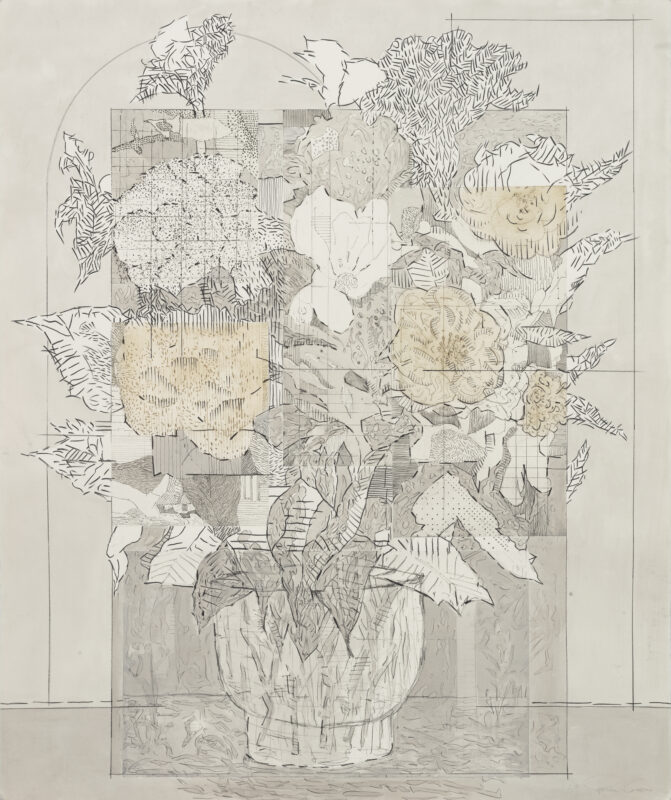
In collaboration with David Krut Projects and Brundyn Arts and Culture, Aspire Art is pleased to present The Archive of Lost Instructions, a solo exhibition by Peter Cohen.
The exhibition will open on 5 August as part of the HEAT Winter Arts Festival in Cape Town and will run until 27 August.
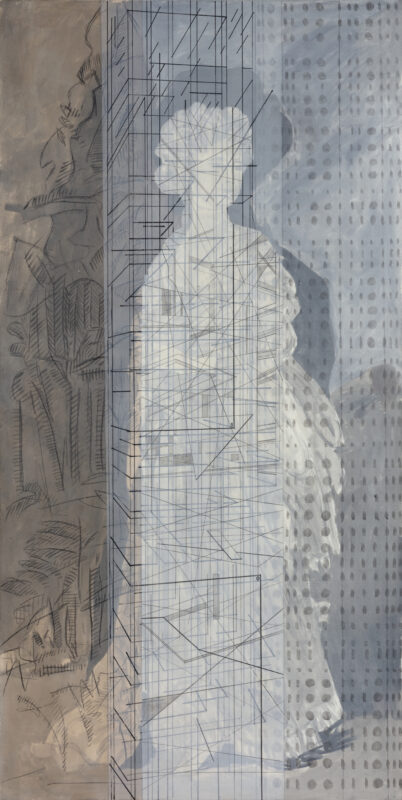
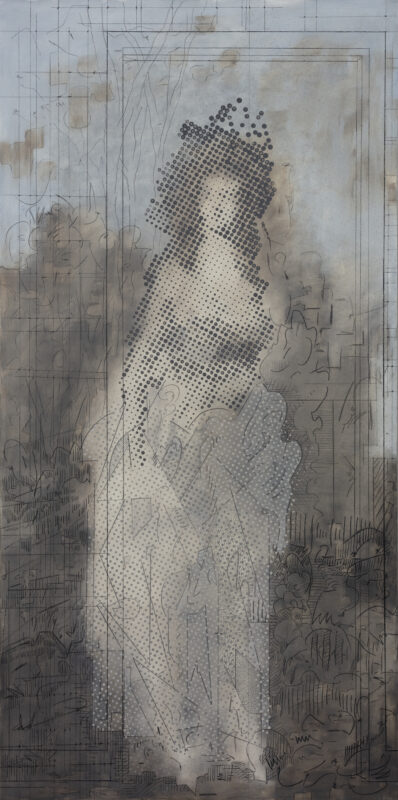
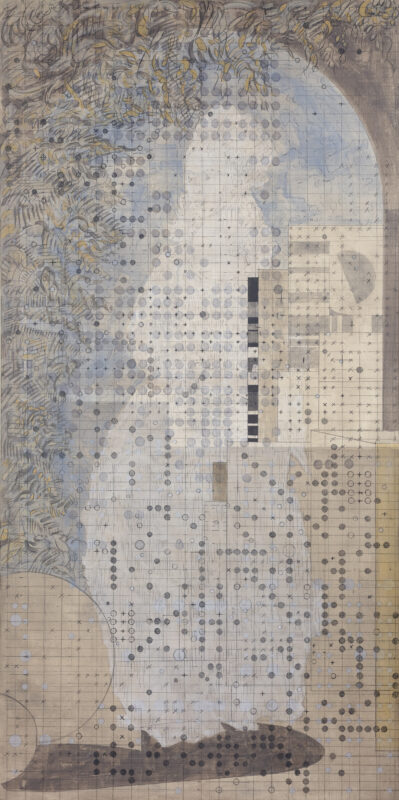
Cohen’s exhibition suggests that we have inherited the world, but not necessarily the instructions for understanding it.
The body of works acts like pages from a book whose organising logic has been partially lost. Familiar images appear —flowers, figures, portraits, landscapes, architectural forms—but they are encountered in states of reconstruction. They emerge through layers of systems, fragments, diagrams, grids, marks and interruptions. The viewer is presented not with a complete image, but with evidence of the processes through which images are assembled.
The body of works acts like pages from a book whose organising logic has been partially lost. Familiar images appear —flowers, figures, portraits, landscapes, architectural forms—but they are encountered in states of reconstruction. They emerge through layers of systems, fragments, diagrams, grids, marks and interruptions. The viewer is presented not with a complete image, but with evidence of the processes through which images are assembled.
The “Archive” stands as a metaphor for the accumulated knowledge, systems and structures that shape how we interpret the world. The “lost instructions” are the missing pieces that once explained how those systems fit together. Traces of structure remain visible throughout the work – architectural frameworks, geometrical divisions, dot fields, repeated mark systems – but the complete set of instructions is unavailable. Meaning must be assembled from what survives.
The works gather fragments, organise information and propose new relationships between disparate elements, yet they never fully resolve into a single authoritative description. Something always remains incomplete, obscured or uncertain – not as a failure, but as condition.
The exhibition is not about nostalgia or recovery. It is about what happens when the systems that once promised clarity have become fragmented, contradictory or incomplete, and how we continue to construct understanding in their absence.